Entry · Ref PXJU5_FA
Planning a Gutter Replacement for an Atlanta Home
- Posted
- 2026-11-10
- Last amended
- 2026-11-10
- Account
- @gutterinstallationatlantaedge
When a home in Atlanta needs new gutters, the project is more than just swapping old metal for new. It involves planning how water moves around the house, choosing materials that handle the local climate, and making sure the system directs runoff away from the foundation. A well-planned gutter installation keeps the exterior dry, prevents soil erosion, and reduces the chance of water seeping into basements or crawl spaces.
Many homeowners start by looking at the existing gutters. If the old system is sagging, pulling away from the fascia, or leaking at the seams, it is often better to replace the entire run than to patch sections. Seamless gutters are a common choice for Atlanta homes because they have fewer joints where leaks can develop. These are custom-formed on site to match the exact length of the roofline, so there are no welded or glued seams to fail over time. gutter installation atlanta
Material selection matters for both appearance and durability. Aluminum gutters are lightweight, resist rust, and can be painted to match trim. They are a solid mid-range option for many houses. Copper gutters develop a patina over time and last for decades, but they cost more and require skilled installation to avoid galvanic corrosion where copper touches other metals. For a typical home, the choice often comes down to budget, the architectural style of the house, and how long the owner plans to stay. A professional gutter installation atlanta contractor can walk through these options and explain how each behaves in summer heat and heavy spring rain.
Understanding Water Routing and Downspout Placement
Gutters are only one part of the drainage system. The real work is getting water from the roof to the ground without causing damage. Downspout placement needs to align with the natural slope of the lot and the location of existing drains or dry wells. If downspouts empty too close to the foundation, water can pool against the wall and cause cracks or mold.
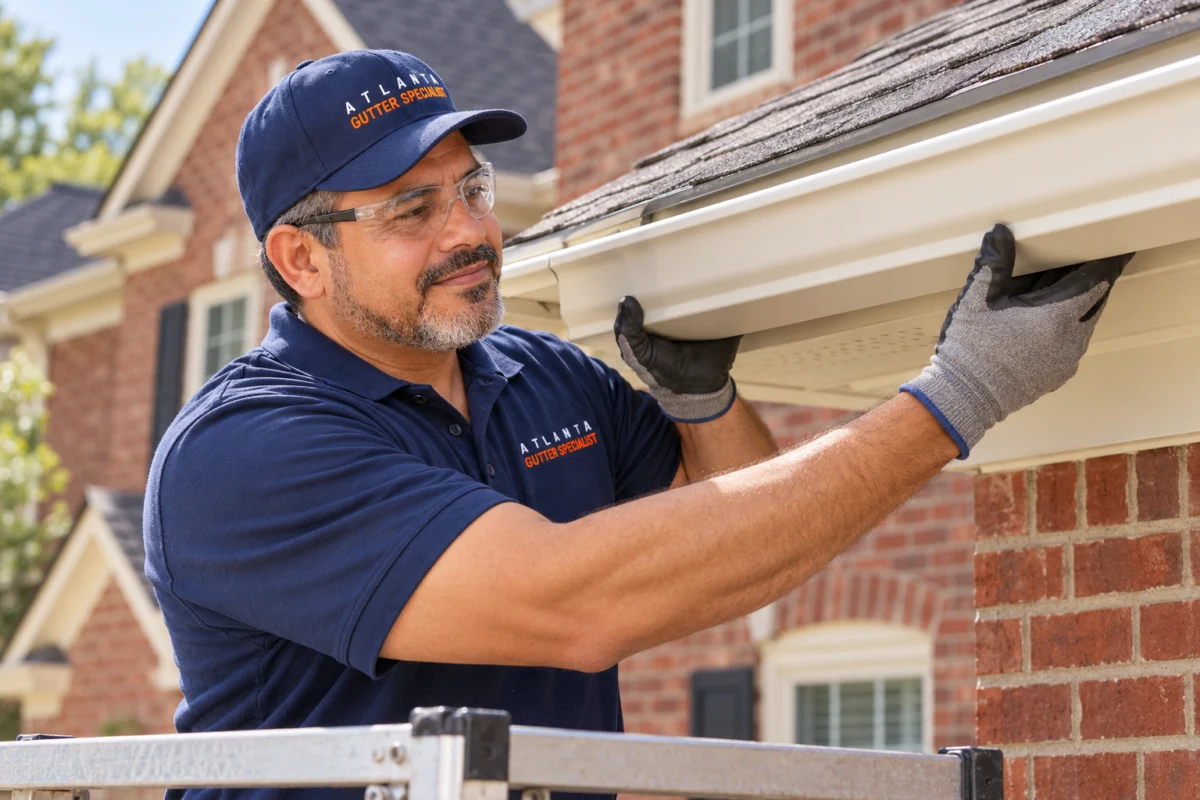
A good installer calculates the roof area that each downspout serves and sizes the gutters and downspouts accordingly. For a steep roof or a large catchment area, wider gutters or extra downspouts may be needed to handle the volume during a downpour. The slope of the gutter channel also matters. If the pitch is too shallow, water sits in the trough and debris collects. If it is too steep, the water moves too fast and can overshoot the downspout openings. Standard practice is a slope of about one-quarter inch per ten feet of gutter run, but this can vary with the type of gutter and the local rainfall intensity.
Gutter Guards and Leaf Strainers
Atlanta has a lot of trees, from pines to hardwoods, and leaves find their way into gutters. Clogged gutters cause overflow that wets the fascia and can back up under the shingles. Gutter guards are screens or perforated covers that sit over the top of the gutter to block leaves while letting water pass through. They are not a set-it-and-forget-it solution; small debris like pine needles and seed pods still get through, and the guards themselves need periodic cleaning. But they do cut down the frequency of gutter cleaning significantly.
Leaf strainers fit over the downspout openings and catch the smaller stuff that makes it past the guards. They are inexpensive and easy to replace. For homes with heavy tree cover, combining gutter guards with leaf strainers gives a double layer of protection. Just be aware that no system is completely maintenance-free. Gutters should still be inspected at least twice a year, more often if the house is surrounded by large trees.
Replacement Considerations for Atlanta Homes
When the time comes to replace gutters, the old system has to come off carefully to avoid damaging the fascia board or the roof edge. The new gutters should be attached to the fascia with hidden hangers that support the weight of water and debris. Exposed spikes or brackets can work, but hidden hangers give a cleaner look and reduce the chance of rust streaks on the face of the gutter.
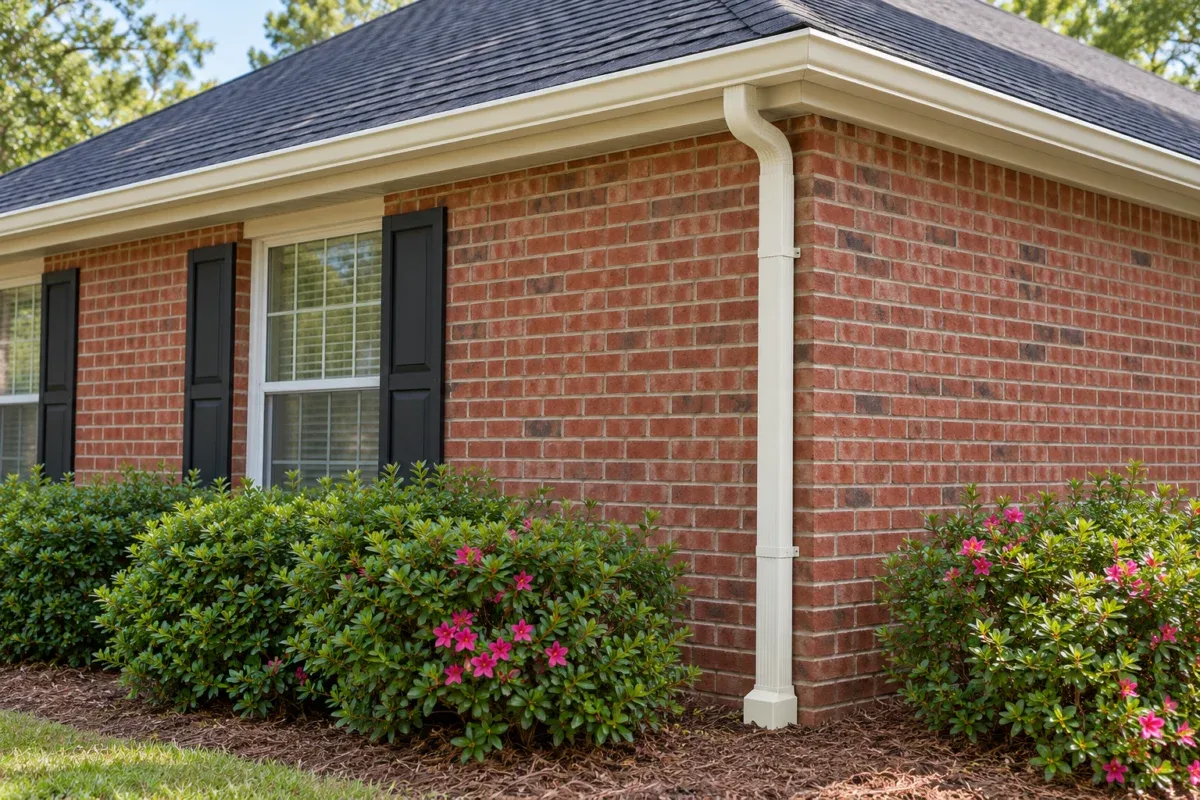
If the house has a metal roof or metal accents, the gutter material should match or be compatible. Copper gutters look stunning with a copper roof, but they should never touch steel or aluminum. A dielectric break, usually a piece of plastic or rubber, separates the metals where they meet. Similarly, if the downspouts connect to a buried drain system, the transition from metal to PVC should be done with a proper adapter to avoid leaks.
Water diversion is another piece of the puzzle. Gutters collect water from the roof, but they do not handle groundwater or surface runoff. The home site should have grading that slopes away from the foundation, and downspout extensions or splash blocks should carry water at least a few feet from the house. In some Atlanta neighborhoods with clay soil, water can sit on the surface for a long time, so directing it to a dry well or a rain garden helps prevent pooling.
For homeowners who are planning a full exterior renovation, timing the gutter work with the siding or roof replacement makes sense. The fascia board can be repaired or replaced while the gutters are off, and the new gutters can be installed flush against the new siding. This avoids the need to work around old gutters later and gives a clean, finished appearance.
Before starting any work, check with the local building department. Some Atlanta jurisdictions have requirements for downspout connections to the storm sewer system or for the use of certain materials. A contractor who handles gutter installation atlanta projects regularly will know the local codes and can pull the necessary permits. This step is often overlooked by homeowners, but it can prevent issues when the house is sold or inspected later.
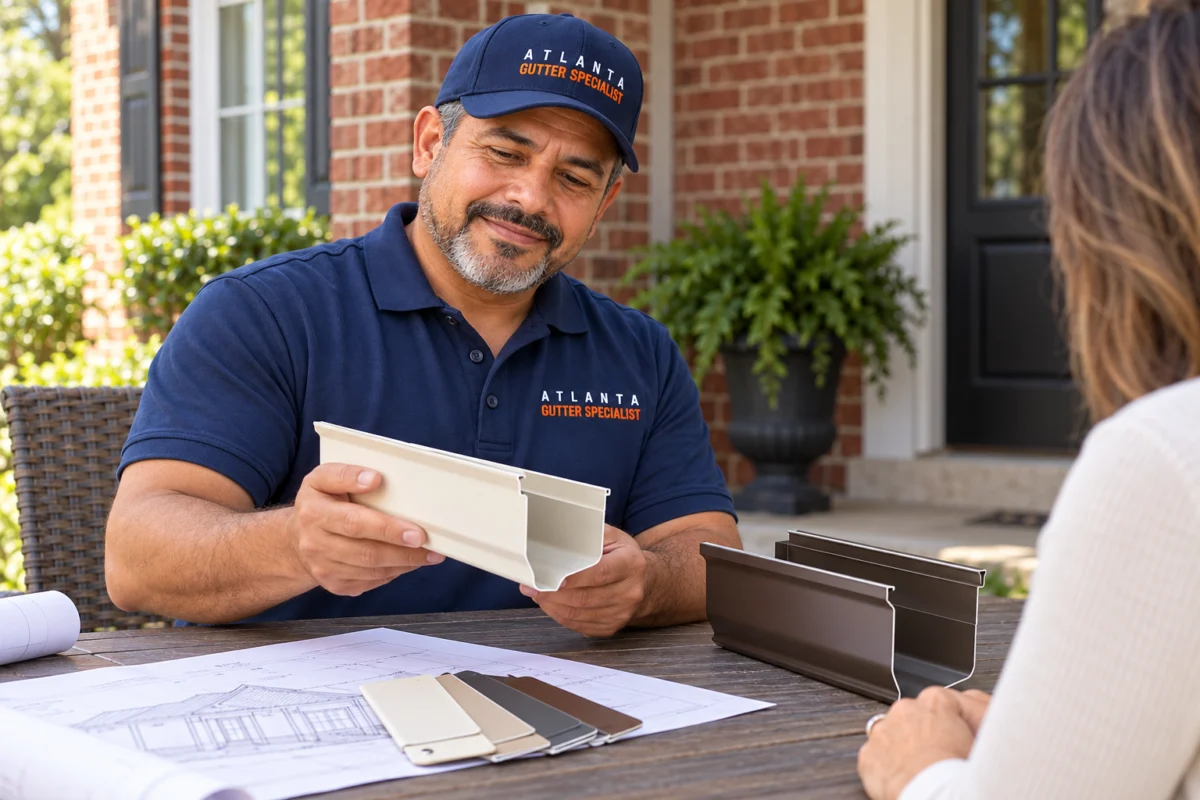
Choosing the right contractor is just as important as choosing the right gutter. Look for someone who carries liability insurance and worker's compensation, and who offers a written estimate that spells out the scope of work, materials, and timeline. Ask to see examples of similar gutter installations on houses in your area. A contractor who is familiar with the local climate and common roof styles will be able to recommend a system that works for your specific house.
Gutters might not be the most visible part of a home, but they do a critical job. Taking the time to plan the layout, select the right material, and install it correctly saves money and headaches in the long run. For Atlanta homeowners, the goal is a gutter system that handles heavy rain, resists clogging, and directs water away from the foundation without calling attention to itself. With careful planning and the right installation, that is exactly what you get.